Holbox
No cars, no hurry, and plankton glowing at night
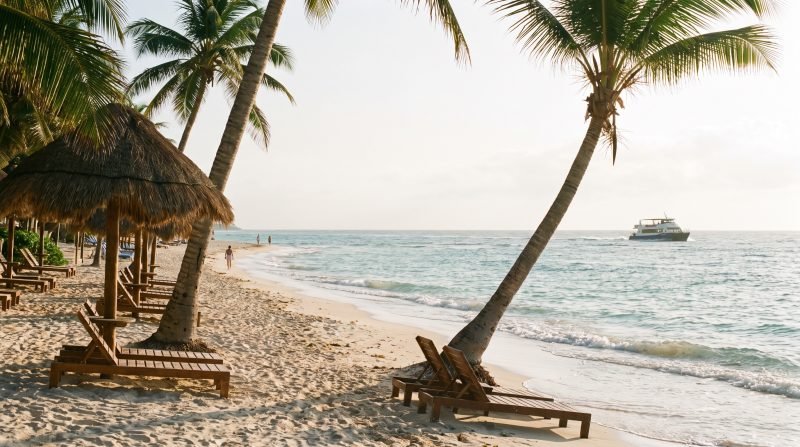
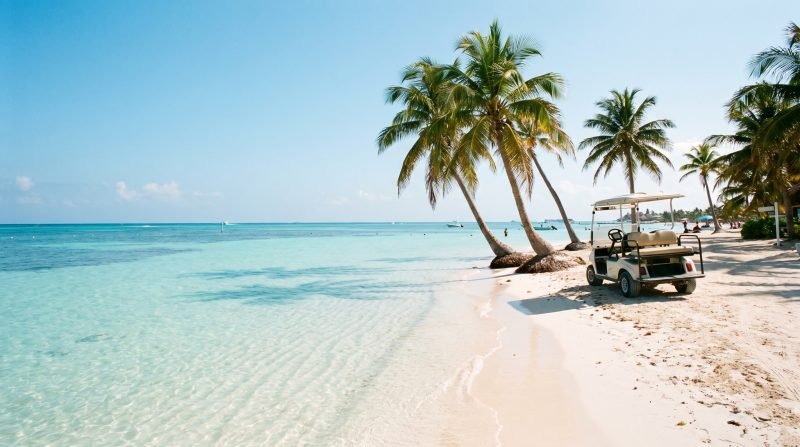
Holbox is unlike anywhere else in the Mexican Caribbean. It is a sand island at the northern tip of Quintana Roo, inside a biosphere reserve, where cars do not circulate, the streets are dirt and the water is so shallow you can walk out until the shore is a smudge behind you. It is the destination for anyone who wants to genuinely disconnect.
What the island is like
Holbox is about 40 kilometres long, but the inhabited part is a small town you can cross on foot in twenty minutes. Transport means golf carts and bicycles; there is no bank on every corner, the connection drops and in places the tap water is brackish. That is not a flaw in the destination: it is precisely what people come for.
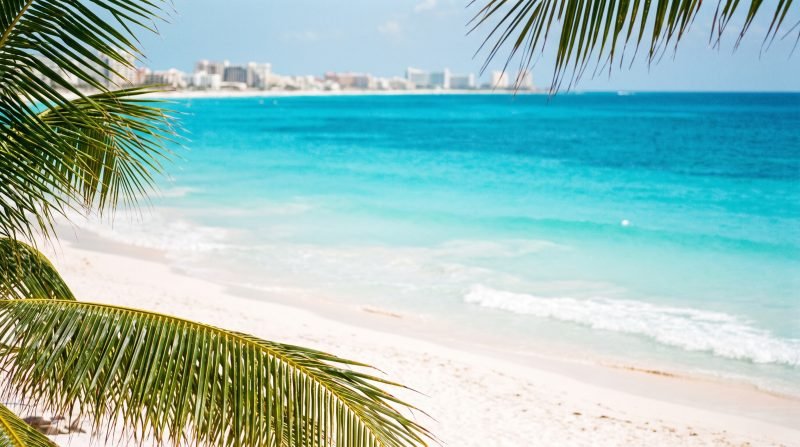
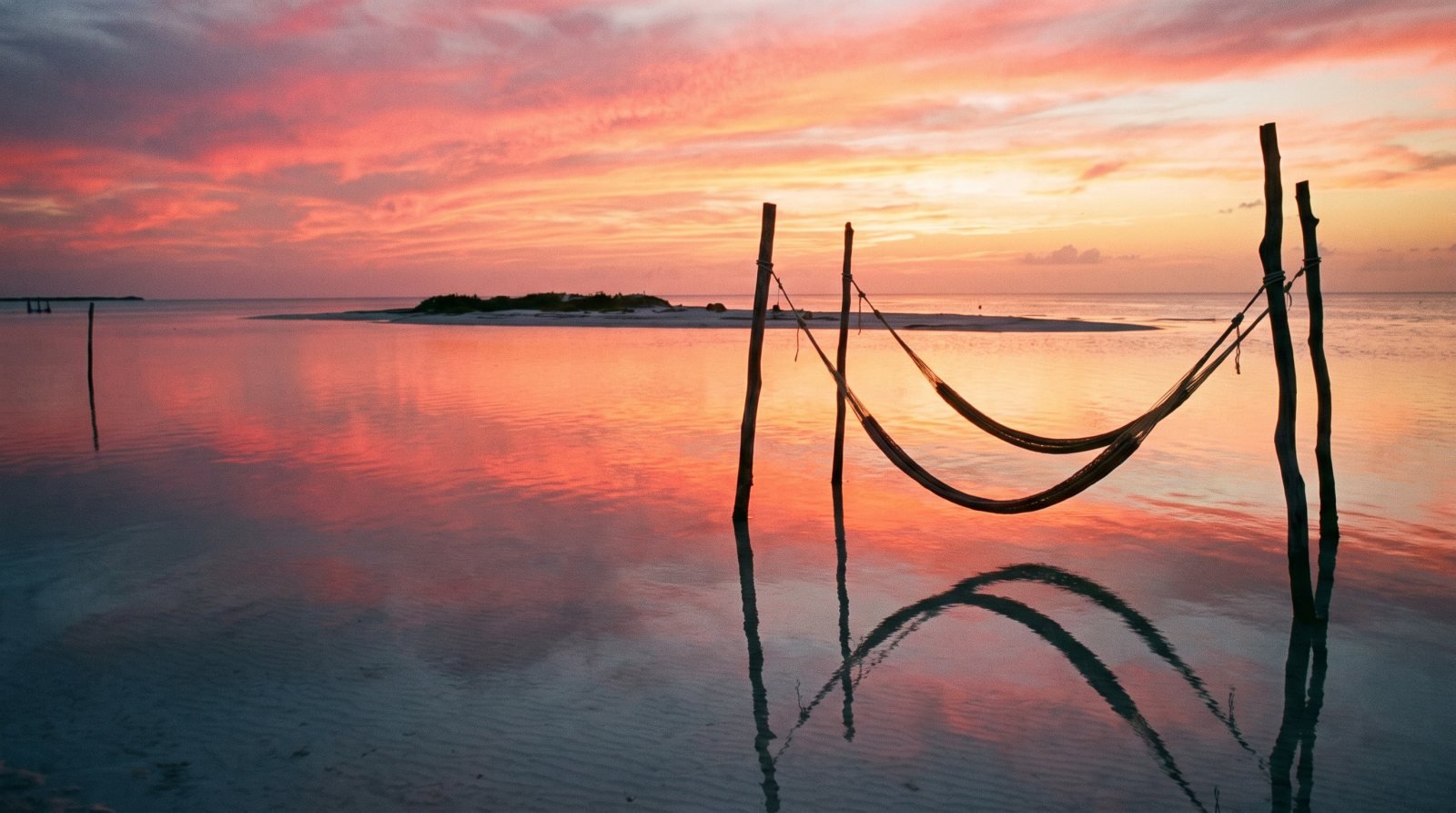
The sea lacks Tulum's deep turquoise because it is shallow water over sand, where the Caribbean and the Gulf of Mexico mix. In exchange it gives sunsets that mirror off the surface, and nights when you can see bioluminescence — plankton that glows when disturbed — on the dark eastern beaches, mostly in summer and without a moon.
What to do
- Swim with whale sharks — June to September, Holbox is one of the best places in the world for it. Regulated: few swimmers per group, mandatory vest, no touching.
- Punta Mosquito — a sandbar to the east with transparent water where flamingos often gather. Reachable on foot at low tide or by boat.
- Punta Cocos — the western tip, the best spot for sunset and for bioluminescence.
- Isla Pájaros — a bird sanctuary inside the lagoon, with observation towers.
- Yalahau — a freshwater spring in the lagoon, on the mainland side.
- Nothing at all — a completely valid answer here, and probably the best one.
When to come
November to April is dry and pleasant, with fewer mosquitoes. June to September is whale shark season, with more heat, more humidity and more insects — bring repellent, we mean it. September and October carry the highest hurricane risk and many businesses close temporarily.
Holbox receives sargassum too, though generally less than the Tulum coast, and its position on the Gulf side means the pattern differs from the rest of Quintana Roo.
Getting there
It is the hardest destination on this list to reach, and that is part of the charm. From Cancún you drive or take a bus to Chiquilá — about two hours — and the ferry leaves from there, taking twenty to thirty minutes on a fixed schedule. You leave the car in a Chiquilá parking lot; you will not need it on the island. The last ferry goes in the evening, so plan the day with margin.
Where to stay
Options run from simple hostels in town to beachfront boutique hotels. The town lets you walk everywhere and eat cheaply. The beach zone toward the west is quieter and pricier. Note that many hotels run on generators and that air conditioning is not guaranteed everywhere: ask before booking if you travel in summer.
One piece of advice
Withdraw cash before you arrive. There are few ATMs on the island, they break, and several businesses do not take cards. It is visitors' number-one complaint and it is entirely avoidable.