Mazatlán
The best value on the Mexican coast
Mazatlán offers the best value of any beach destination in Mexico, and it is the one that has changed most in the last decade. It has the country's longest boardwalk, a restored historic centre that holds its own against any colonial city, and a seafood culture unlike anywhere else. And it still costs half what Los Cabos does.
Why Mazatlán
Because it is a genuine port city — commercial fishing, shipyards, a life of its own — that also happens to have beaches. That gives it an authenticity purpose-built resort towns cannot manufacture. The Centro Histórico, around Plaza Machado and the Ángela Peralta theatre, was restored house by house and is now the best part of the city: 19th-century buildings, terraces, galleries and restaurants.
The other argument is price. Eating, sleeping and getting around in Mazatlán costs noticeably less than in any Caribbean or Baja California Sur destination, with food that is often better.
The beaches
The city has near-continuous beach along its whole coast:
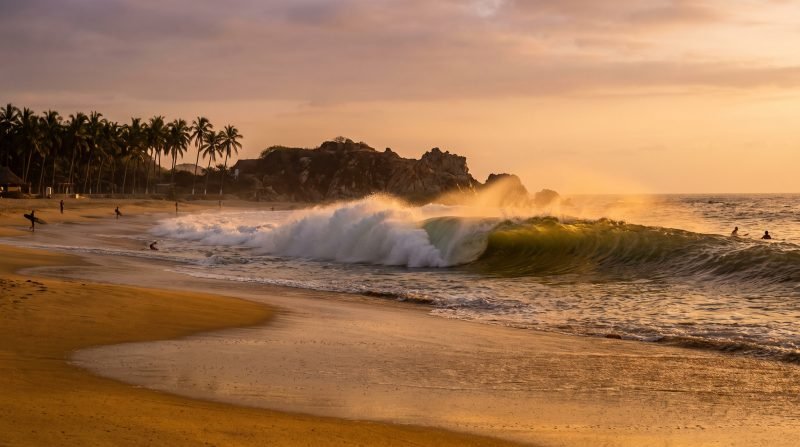
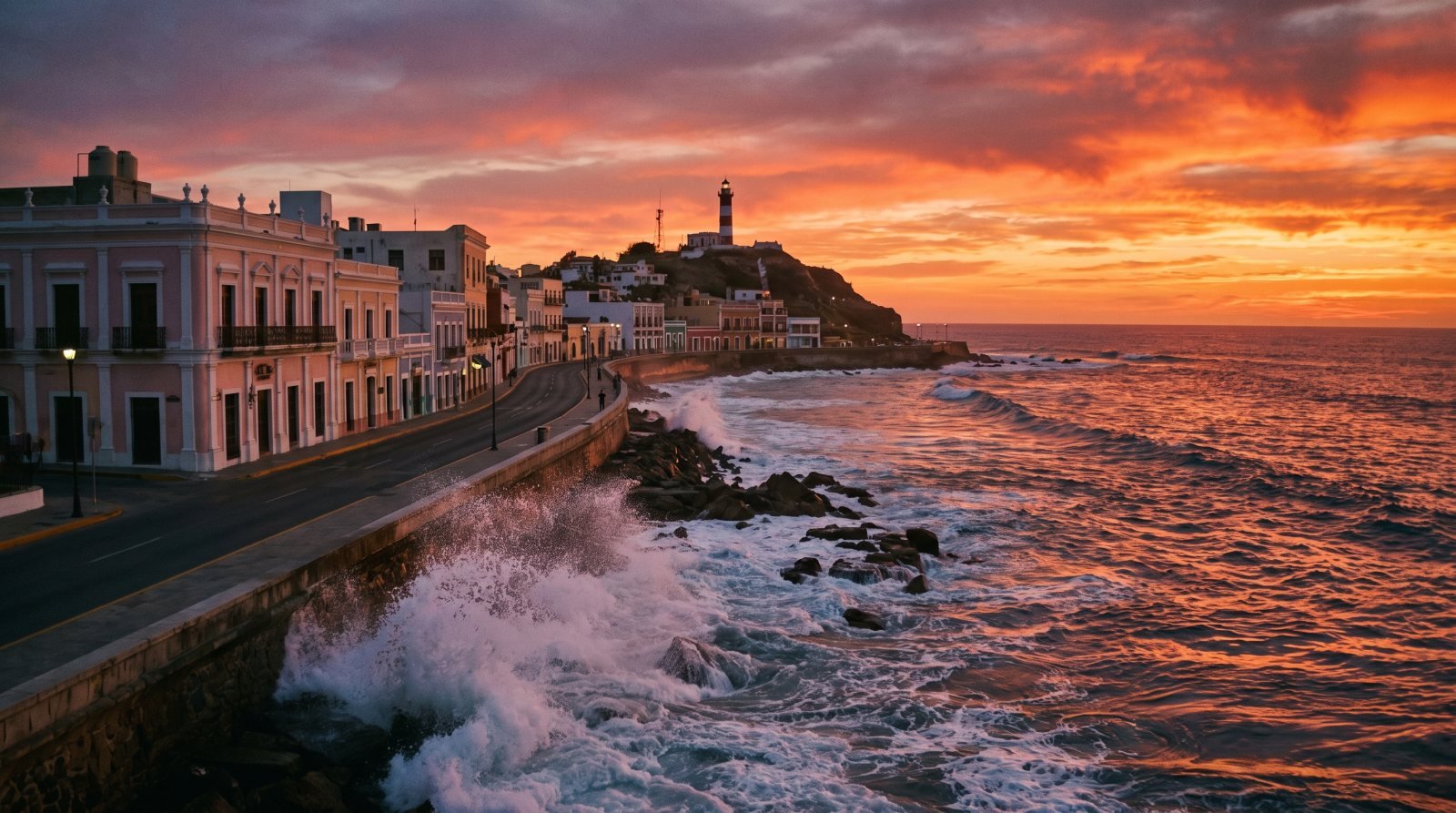
- Playa Olas Altas — the historic-centre beach on the old malecón. Heavy surf, poor for swimming, perfect for sunset.
- Playa Norte — long, urban and accessible, the one locals use.
- Zona Dorada — the classic tourist stretch, with hotels, loungers and services. Calmer water.
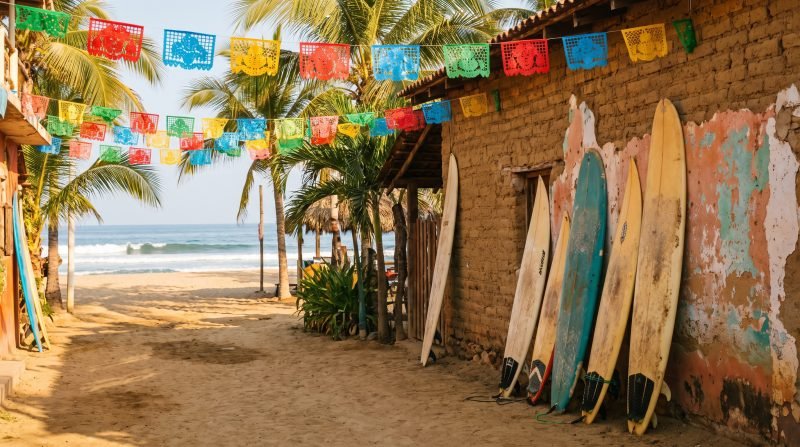
- Cerritos — north of town, more open and with waves: the surf beach.
- Isla de la Piedra — a short panga crossing from the port, then kilometres of sand with palapas, coconuts and far fewer people.
- Isla Venados — off the Zona Dorada, reached by boat and the best snorkelling around.
The malecón
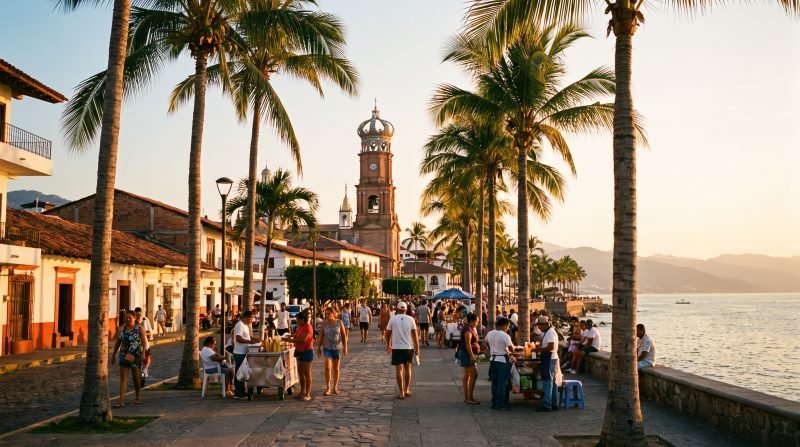
More than 20 kilometres of oceanfront promenade, among the longest in the world, and the heart of the city's social life: runners, cyclists, pulmonías — Mazatlán's open-air taxi carts — and the Olas Altas cliff divers launching off the rock. Walking it at sunset is the best free plan in town.
What to eat
Mazatlán is a shrimping port and it shows. Aguachile, camarones a la diabla, zarandeado fish, scallops, smoked marlin and ceviche tostadas. It is one of the best places in the country for seafood, almost always in informal, inexpensive places. Add the local beer, which here is an institution.
When to come
November to May is dry and warm with no rain. June to October brings humidity, afternoon storms and Pacific cyclone season. Mazatlán's Carnaval, in February, is one of Mexico's largest and fills the city completely: if you go then, book far ahead; if crowds are not your thing, avoid those dates.
Getting there and around
The airport (MZT) is about twenty kilometres south of the city, with flights from across Mexico and several direct routes from the US and Canada. Mazatlán is also easy to reach by road from Durango, Guadalajara and the north. In town, pulmonías and buses cover the whole coast; you do not need a car unless you plan to head into the sierra's mountain towns.
Where to stay
Centro Histórico if food, architecture and evening atmosphere matter to you — our recommendation for a first trip. Zona Dorada if you want a hotel with the beach in front and everything within walking distance. Cerritos and Nuevo Mazatlán for newer developments, more space and fewer people.
One piece of advice
Give a full morning to Isla de la Piedra. The panga crossing costs pocket change from the dock, and on the other side there is an enormous beach with palapas serving fish landed that morning. It is the best beach day in Mazatlán and a great many visitors never do it.