Cancún
The country's most spectacular water, with everything that brings
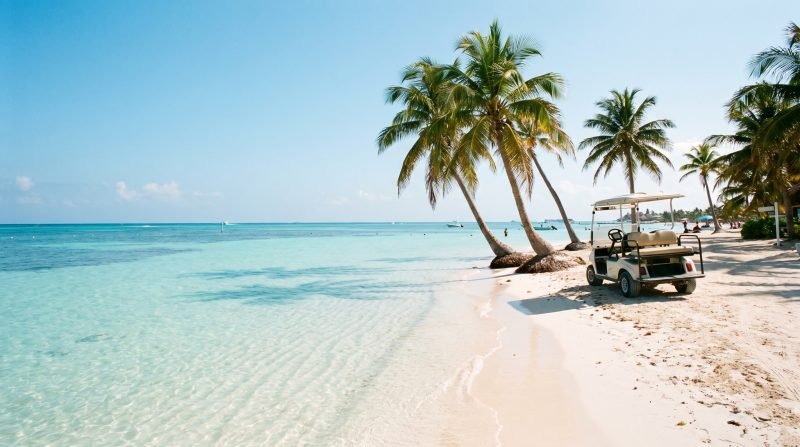
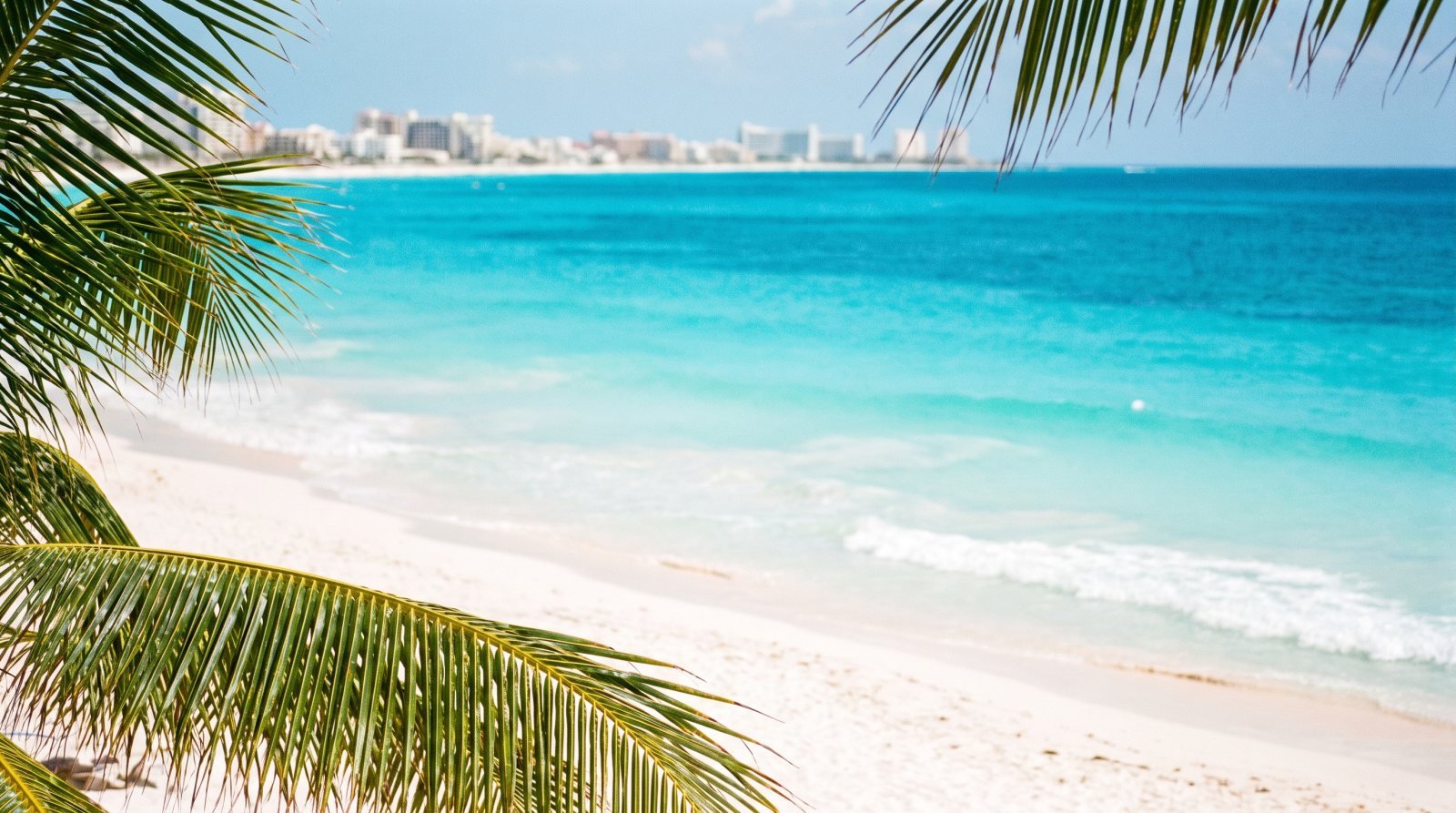
Cancún is Mexico's largest tourist destination and the one that provokes the most conflicting opinions. It has the country's most spectacular water — that turquoise that looks edited — and also the highest concentration of hotels, traffic and hard selling. Both are true at once, and which one you get depends almost entirely on where you stay.
There are two Cancúns
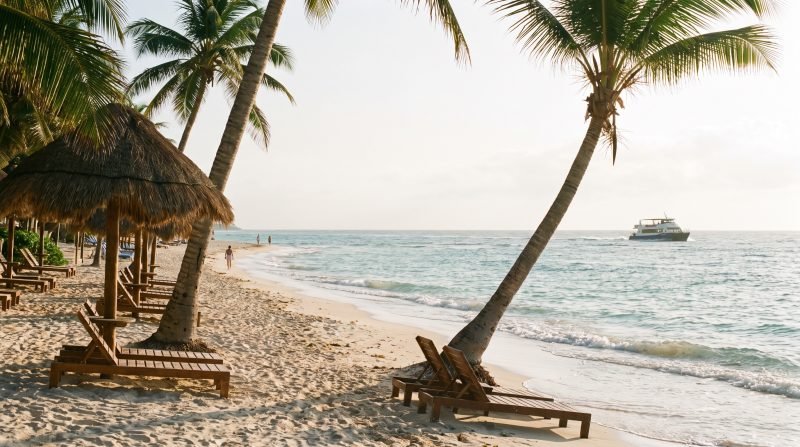
- The Hotel Zone — a 22-kilometre strip of sand shaped like a seven, between the Caribbean and the Nichupté lagoon, occupied end to end by resorts. This is where the postcard beach is, and where almost nothing costs what it would in Mexico.
- Downtown (El Centro) — the city where the half-million people who work in tourism actually live. Markets, taquerías, normal prices and no beach at all. It is the half of the destination most visitors never see.
Our honest recommendation: if you are here briefly and want a beach with no complications, the Hotel Zone delivers exactly what it promises. If you are staying longer or want the trip to feel Mexican, stay downtown and take the bus to the beach — it costs very little and runs constantly.
The beaches
All of them are public — however hard the resorts work to suggest otherwise — and there are marked public access points along the whole Kukulcán boulevard:
- Playa Delfines — the biggest, and the only one with ample parking and an open view. Heavy surf, but the best lookout in the destination.
- Playa Tortugas and Playa Langosta — on the bay side, very calm water, good with children.
- Playa Chac Mool and Playa Marlin — central, serviced, white sand.
- Playa Norte, on Isla Mujeres — technically another destination, but a twenty-minute ferry away and the best beach in the whole area.
What to do besides the beach
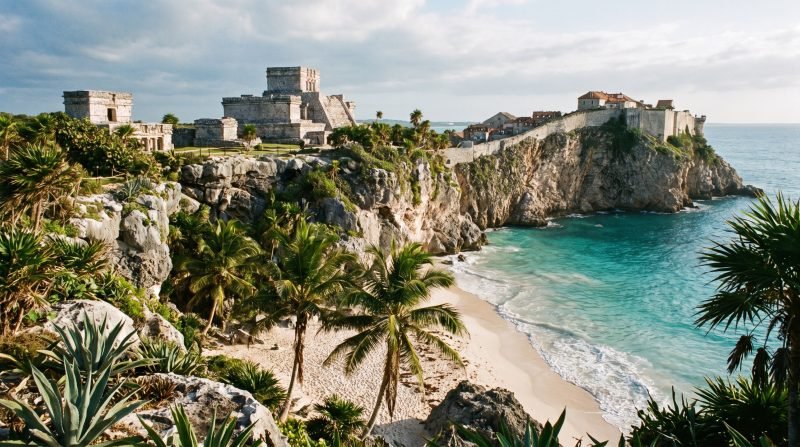
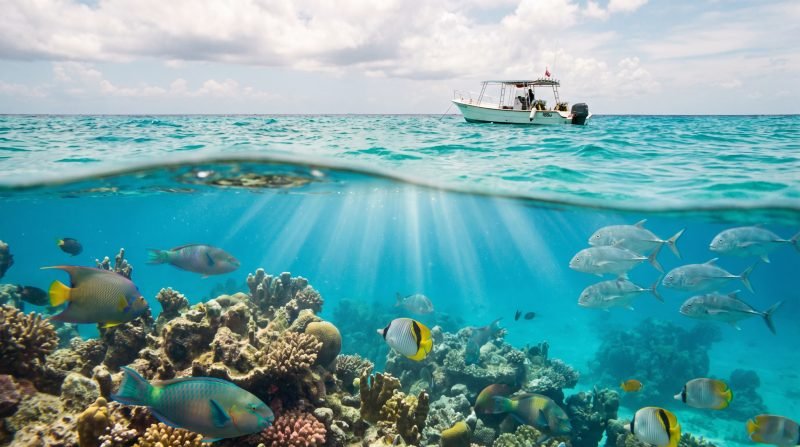
Cancún works very well as a base for the rest of the state. Within two hours you have Chichén Itzá and the Tulum ruins; within half an hour, dozens of cenotes, the peninsula's most distinctive experience; Isla Mujeres by ferry; and the Underwater Museum of Art (MUSA), with submerged sculptures you visit by diving or snorkelling. If you travel between June and September, swimming with whale sharks off Isla Contoy is one of the best things you can do in Mexico.
When to come, and the sargassum question
December to April is perfect: dry, sunny and less hot. June to November is Atlantic hurricane season — September and October carry the highest risk — and it is humid and hot.
On sargassum: it is real and it affects the Mexican Caribbean, generally between April and August, with big variation year to year and beach to beach. The large hotels clean their stretch daily. If it worries you a lot, travel in winter or consider the west side of Isla Mujeres and Cozumel, which usually receive less.
Getting there and around
Cancún airport (CUN) is Mexico's second busiest, with direct flights from much of the world. Within the destination, the R1 and R2 buses run the Hotel Zone and connect to downtown for pocket change: they are the best way to move. Taxis have no meters, so agree the fare before getting in.
Where to stay
Hotel Zone km 1–9 for calm water and proximity to downtown. Km 9–20 for open beach and the big resorts. Downtown for price, real food and no objection to a bus ride. Puerto Morelos, half an hour south, is a far quieter fishing village with reef right offshore and our favourite option in the area.
One piece of advice
Ignore anyone offering "free" tours or enormous discounts at the airport or on the boulevard: those are multi-hour timeshare presentations. Book tours at your hotel or directly with the operator, and always ask how many people are in the group.