Cozumel
Mexico's best diving island
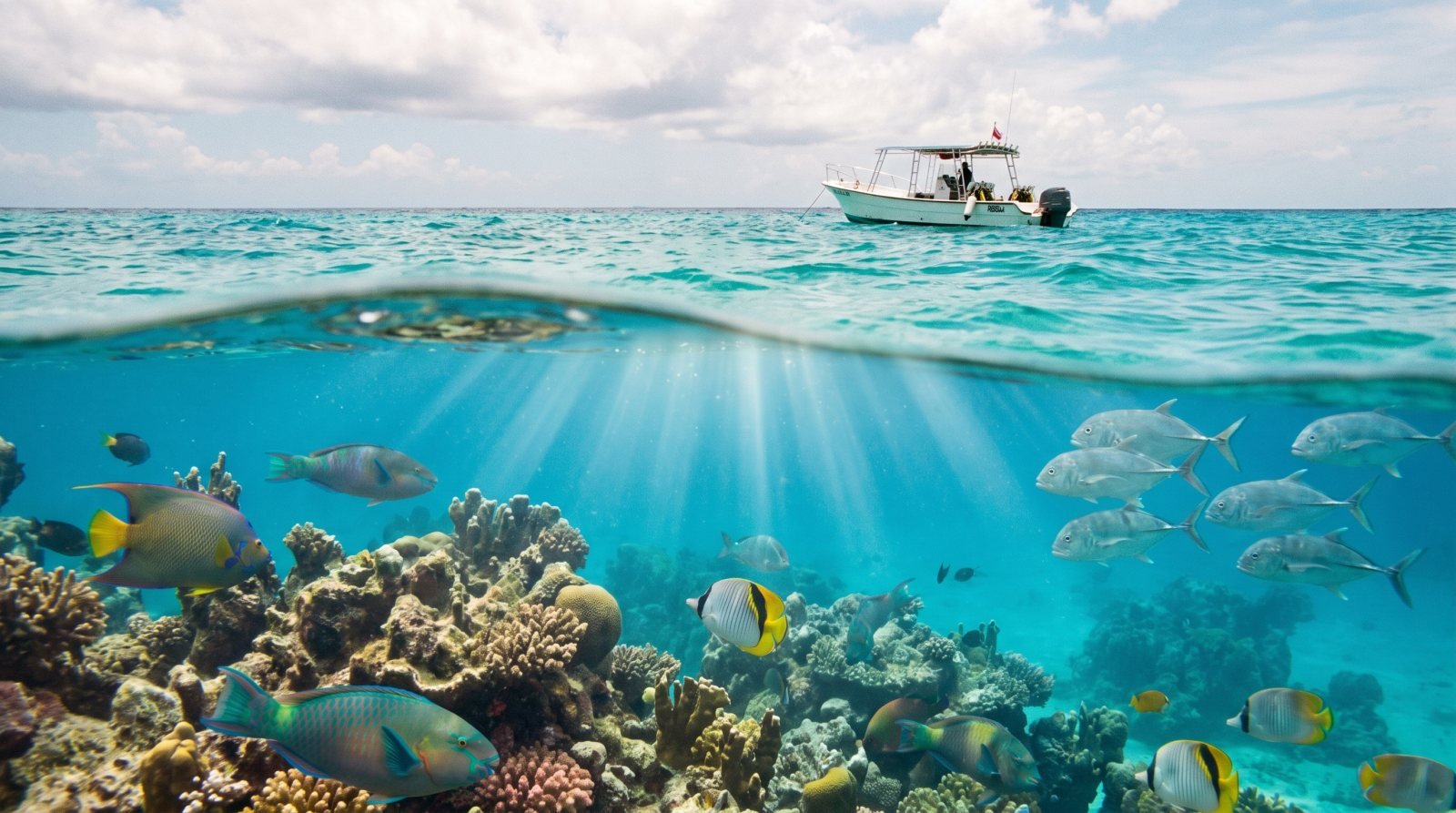
Cozumel is Mexico's most important diving island and one of the best in the world. It sits across from Playa del Carmen, forty minutes by ferry, and its west coast touches the Mesoamerican Reef System, the second-largest coral reef on the planet. If what is under the water interests you, this is the destination.
Why Cozumel is different
The current. The water running along the island's west coast is clear and steady, which makes drift diving possible: you let the current carry you over the reef while the boat follows on the surface. It is comfortable, spectacular diving that barely exists elsewhere in the country.
The other difference is that the island has two faces: the west coast, sheltered, calm and fully serviced; and the east coast, open to the sea, with heavy surf, wild beaches and almost no construction. You can drive the whole loop in a day.
Diving and snorkelling
The famous reefs are south of the island, inside Cozumel Reefs National Park:
- Palancar — the best known, with enormous coral formations and several sections for different levels.
- Colombia — tall pinnacles and walls, for experienced divers.
- Santa Rosa Wall — Cozumel's classic wall, with a deep drop-off.
- Paraíso and Chankanaab — shallow, perfect for snorkelling or a first dive.
- El Cielo — a shallow sandbank with transparent water and starfish; reached by boat, no experience needed.
Park rules: no non-biodegradable sunscreen, no touching the coral and no souvenirs. The reef is alive and it has suffered plenty.
The beaches
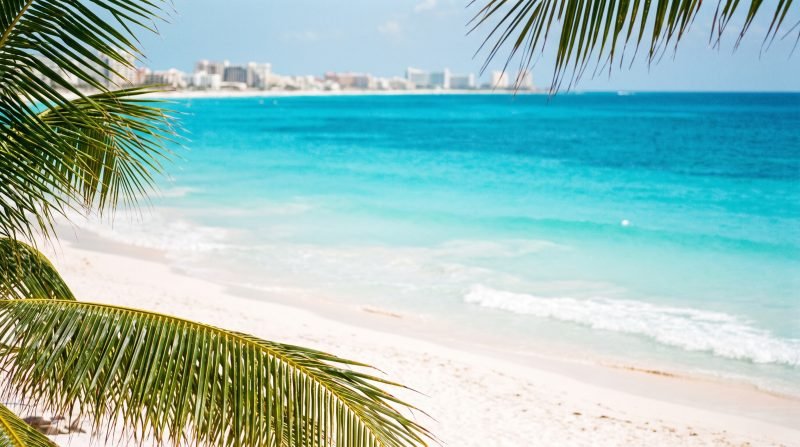
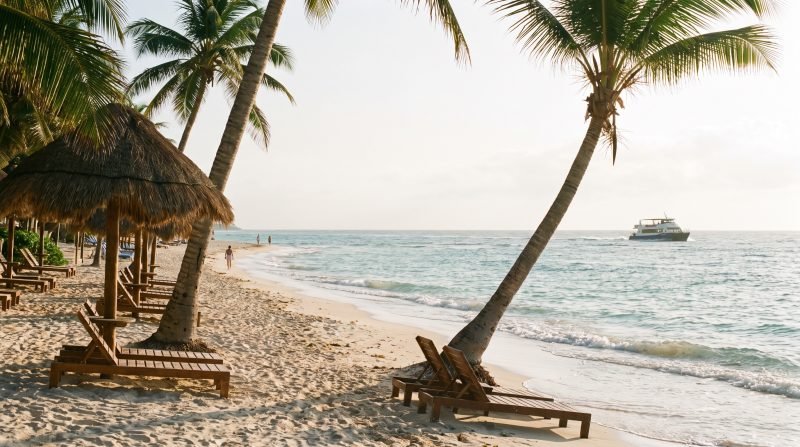
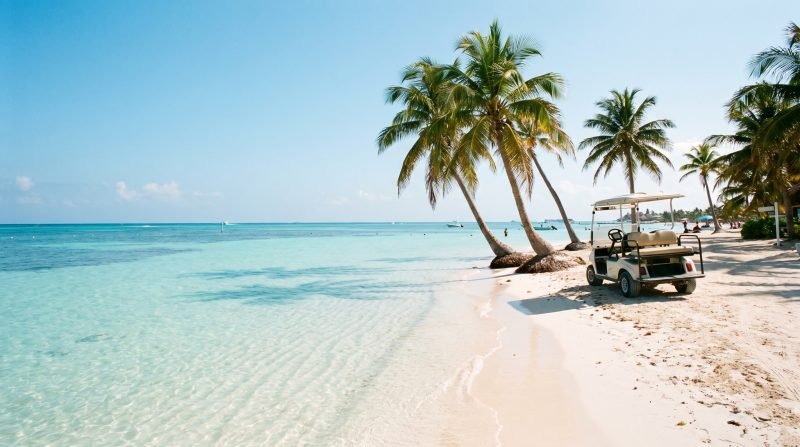
The west coast holds the beach clubs, with easy access, palapas and snorkelling from shore. Playa Palancar and Playa San Francisco are the best on the calm side. On the east coast, Playa Chen Río has a sheltered natural pool where swimming is genuinely safe, while Punta Morena and El Mirador are spectacular to look at and demand absolute caution in the water: strong currents and no lifeguards.
What else there is
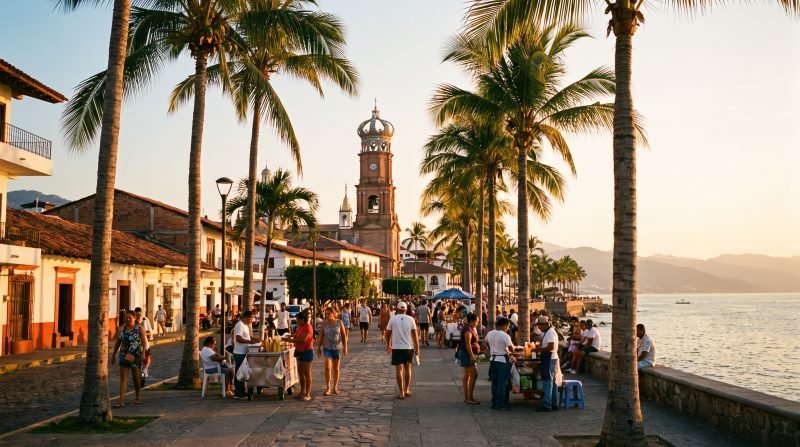
San Miguel, the island's only town, has a malecón, a plaza, a market and good restaurants away from the cruise zone. Chankanaab park combines snorkelling, a botanical garden and a lagoon. Punta Sur, at the tip, has a lighthouse, a crocodile lagoon and a lovely beach. And renting a jeep or scooter to drive the full island loop is the best day Cozumel offers out of the water.
When to come
December to April: dry, with excellent underwater visibility and no rain. June to November is hurricane season. Cozumel gets less sargassum than the mainland coast because its west side is sheltered, which makes it a good alternative in the heaviest seaweed months.
A practical detail: when several cruise ships are in port, San Miguel and the northern reefs fill up. If you can, check the cruise calendar and dive on a quiet day.
Getting there and around
Two ways in: the ferry from Playa del Carmen, which runs frequently and takes about forty minutes, or the island airport (CZM), with domestic flights and some direct international routes. On the island, rent a car, jeep or scooter: the town is walkable, but the good beaches are spread along the whole coast.
Where to stay
San Miguel to have restaurants and dive shops on foot. The south coast to be near the best reefs. The north coast for quieter hotels with their own beach. Many divers stay in town and head out each morning from the pier.
One piece of advice
If you only have one day, do not try to dive and tour the island on the same one: between the dive, the transfer and the surface interval the day is gone. Give a full day to the water and another to the jeep loop, stopping on the east coast to eat fish facing the sea.