Living in Puerto Vallarta: Renting, Buying and Surviving August
The unvarnished guide to moving to Banderas Bay: which area to live in, how annual rentals work, what a fideicomiso is, how much the humidity weighs and what paperwork to settle before boarding.
Living in Puerto Vallarta is nothing like holidaying in Puerto Vallarta. It is better in almost everything and harder in a few specific ways nobody mentions while you are in love with the sunset. Here is the honest version: how renting works, how buying works, how humid August really gets and which paperwork to settle before you move.
The four areas where people actually live
The city is not one place. Choosing your area will shape your daily life more than the size of the house.
Zona Romántica and Emiliano Zapata
Vallarta's walkable heart: apartments with views, cafés, the highest concentration of restaurants and the nightlife. You walk everywhere and do not need a car. In exchange you pay the highest rents in the city, you hear music late on weekends, and in high season you compete with tourists for everything from a table to a parking spot.
Versalles and Fluvial
The area that has changed most in the last decade. Versalles went from a quiet residential neighbourhood to holding some of the best food in the city, without ceasing to be a place where ordinary people live. Fluvial is tidier, with wide streets and newer buildings. Both are ten minutes from the airport and the ocean, with noticeably lower rents than the Zona Romántica.
El Pitillal and the eastern colonias
The Vallarta that works. Markets, schools, workshops, neighbourhood plazas and the most affordable prices in the city. This is where most locals live, and it is an excellent option if your budget is real and you do not mind driving or taking a bus to the beach.
The north: Nuevo Vallarta, Bucerías and La Cruz
This is Nayarit, with its own rhythm and its own tax rules. Long beach, more space, a large foreign resident community and a much better space-to-price ratio. The cost is the commute: crossing into Vallarta at peak hour can take forty minutes, and the Ameca bridge is a known bottleneck.
Renting: how it really works
The Vallarta rental market is split in two, and understanding that saves you serious money:
- Vacation rental, by night or week, furnished and all-inclusive. This is what you see on the platforms, at two or three times the price.
- Annual rental, on a twelve-month contract, unfurnished or semi-furnished, utilities separate. It rarely appears on international platforms: it moves through local groups, street signs and property managers.
If you are staying longer than three months, the annual contract always wins, even paying for months you will not use. Standard terms are one month's deposit, proof of income and often a local guarantor — though for foreigners that is usually replaced by an additional deposit. If you would rather have someone handle the deal, check the inventory and answer when the air conditioning dies, that is where Puerto Vallarta rentals and property management offices come in.
Many owners pull their apartments off the annual market between December and April to rent them nightly to tourists. If you want a long contract, look between May and September: more supply, less competition and far more willingness to negotiate.
Buying: what to know before you fall for a property
Buying in Vallarta is perfectly normal for foreigners, but it has particularities worth knowing from the start.
The coastal-zone fideicomiso
The Mexican constitution restricts direct foreign ownership within 50 kilometres of the coast. The established legal solution, in place for decades, is the fideicomiso: a Mexican bank holds the title in trust and you, as beneficiary, hold every right to use, rent, sell and bequeath the property. It renews and it inherits without drama. It is a standard mechanism, not a loophole, and virtually every coastal property sold to foreigners works this way. The other route, for investment property, is buying through a Mexican corporation.
The numbers people forget
On top of the list price come closing costs — acquisition tax, notary, appraisal, registration and setting up the fideicomiso where it applies — which together are a far from trivial share of the value. Add, in a condo, the monthly maintenance fee, which in developments with a pool, security and a lift becomes a significant fixed expense. Budgeting only the sale price is the classic first-time-buyer mistake.
Land, ejidos and clean title
This is where real care is needed. There is land of ejido origin that has not been properly regularised and cannot be deeded to a private owner without a prior process. It sells cheap for good reasons. The rule is simple: never close a purchase without title review by an independent lawyer — independent of the seller and of the agent — with a Public Property Registry search, lien verification, property taxes current and a certificate of freedom from encumbrance. A real estate lawyer in Puerto Vallarta charges a tiny fraction of the transaction value and is the best money you will spend in the entire process.
Seeing the market without an agent on your shoulder
Before talking to anybody, it pays to understand ranges, areas and what is actually selling. For that we follow the reporting and listings at PVR Estate, which covers the bay's real-estate market with more context than a portal listing gives, and the inventory at Inmobiliaria PV when we want to see real supply with serious filters. With that groundwork you walk into the first showing knowing whether the price you are quoted makes sense.
Building and renovating
Renovating a house here is common — there is a lot of eighties and nineties stock with good bones and impossible kitchens — but the climate sets its own rules. Humidity and salt eat hardware, carpentry and poorly protected electrical work; the rainy season halts exterior work for weeks; and labour is saturated from November to April, when every seasonal owner wants their remodel finished.
Two pieces of advice from people who already got it wrong: contract with a written budget and progress-based payments, never a full advance; and do not start major work in June, because you will spend the job fighting rain. If you need someone to coordinate trades and permits, Puerto Vallarta contractors and remodeling crews work exactly in that gap between the architect and the tradespeople.
The weather, without decoration
| Season | What it is like |
|---|---|
| November – May | Practically perfect: warm days, cool nights, zero rain. This is why people move here. |
| June | Humidity climbs, first afternoon storms arrive. Still manageable. |
| July – September | High heat and humidity, heavy rain in the afternoon or overnight, Pacific cyclone season. Air conditioning stops being optional. |
| October | The humidity unwinds. A transition month, very green and very quiet. |
Humidity is the factor people most underestimate. It is not the heat: it is that clothes in the closet stain, books ripple and bread goes off in two days. A dehumidifier, cross ventilation and silica gel in the wardrobes are part of normal life here.
Paperwork and practical life
- Legal status. A tourist entry is not designed for residing. If you plan to stay, read up on temporary or permanent residency: the process starts at a Mexican consulate outside the country and is completed here within thirty days of arrival. Financial requirements and documentation change fairly often, so always confirm with your corresponding consulate or an immigration lawyer before buying a ticket.
- Bank account. Opened with residency and proof of address. Without residency it is difficult, though not impossible at some banks.
- Healthcare. There are good private hospitals in the city and private consultations at a fraction of US or Canadian prices. Most foreign residents combine international insurance with out-of-pocket payment for everyday care.
- Internet. Fibre works well across the urban areas and is more than enough for remote work. On the hillsides and into the sierra, coverage drops fast. If you work online, verify the connection before signing the lease.
- A car. In the Zona Romántica you do not need one. Anywhere else it makes life much easier, especially north of the river.
- Language. You can survive on English in the tourist areas and you cannot live well without some Spanish. Paperwork, the plumber and the market all run in Spanish.
What nobody tells you
- Low season is long. From June to October the city empties, businesses close and the mood changes completely. Many people love it; others find it hits harder than expected.
- Power cuts happen. Short ones, mostly in the rainy season. A UPS for the modem and a torch are not paranoia.
- Everything takes longer. Paperwork, deliveries, the plumber. It is not disorganisation, it is a different pace, and fighting it is the fastest route to being miserable.
- The expat community is comfortable and it is a trap. You can live here ten years without leaving a foreigner bubble. The people who do best learn Spanish and have local friends.
- It is a seasonal city. If your income depends on tourism, your good and bad months will be everyone else's. Budget the full year, not February.
So, should you move?
If you want ocean year-round, a reasonable cost of living, excellent food, an international airport twenty minutes away and an established community to ease the landing: yes, it is one of the best places in Mexico to do it. If you need dry weather, flawless services and European response times, you will struggle.
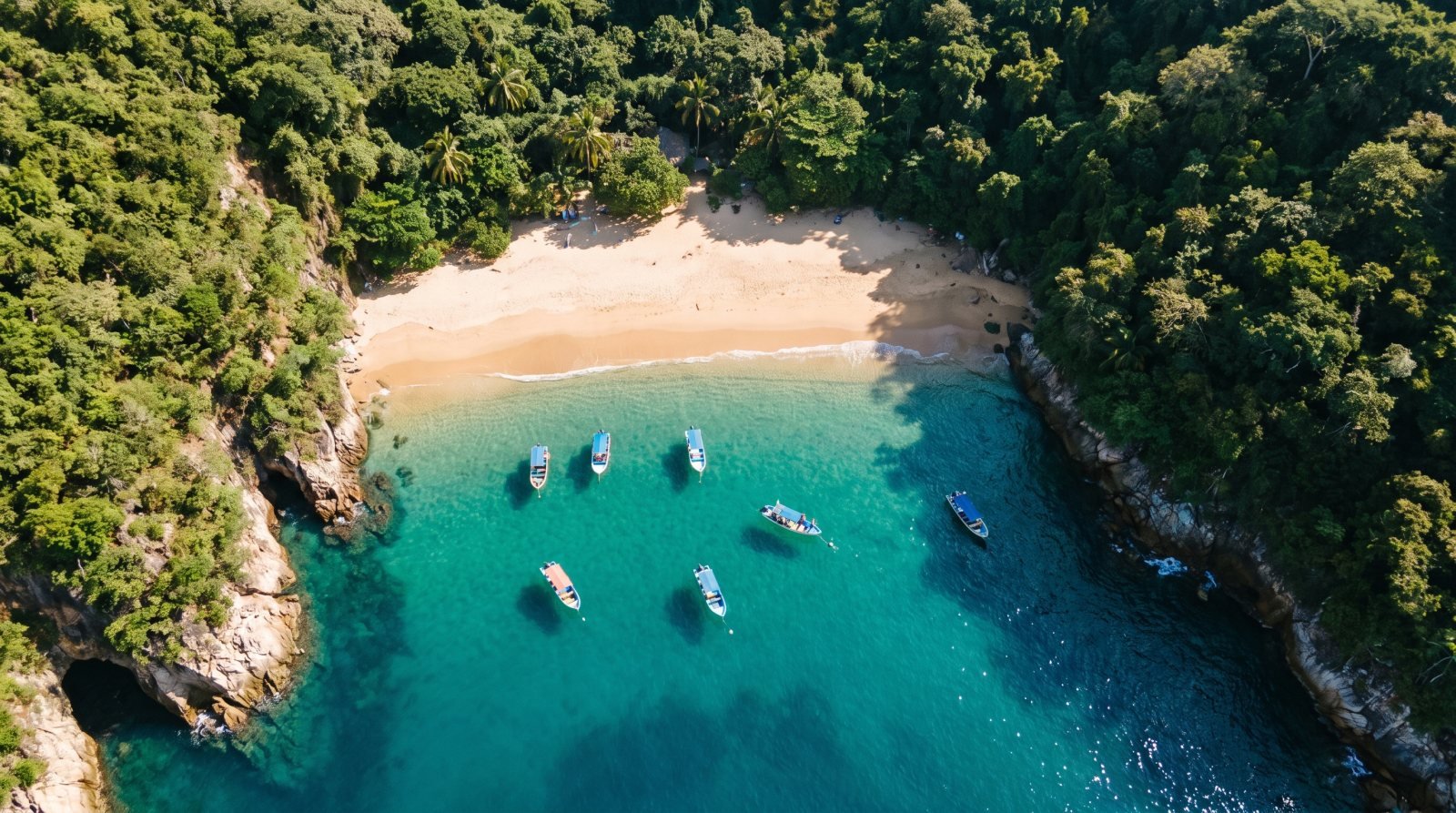
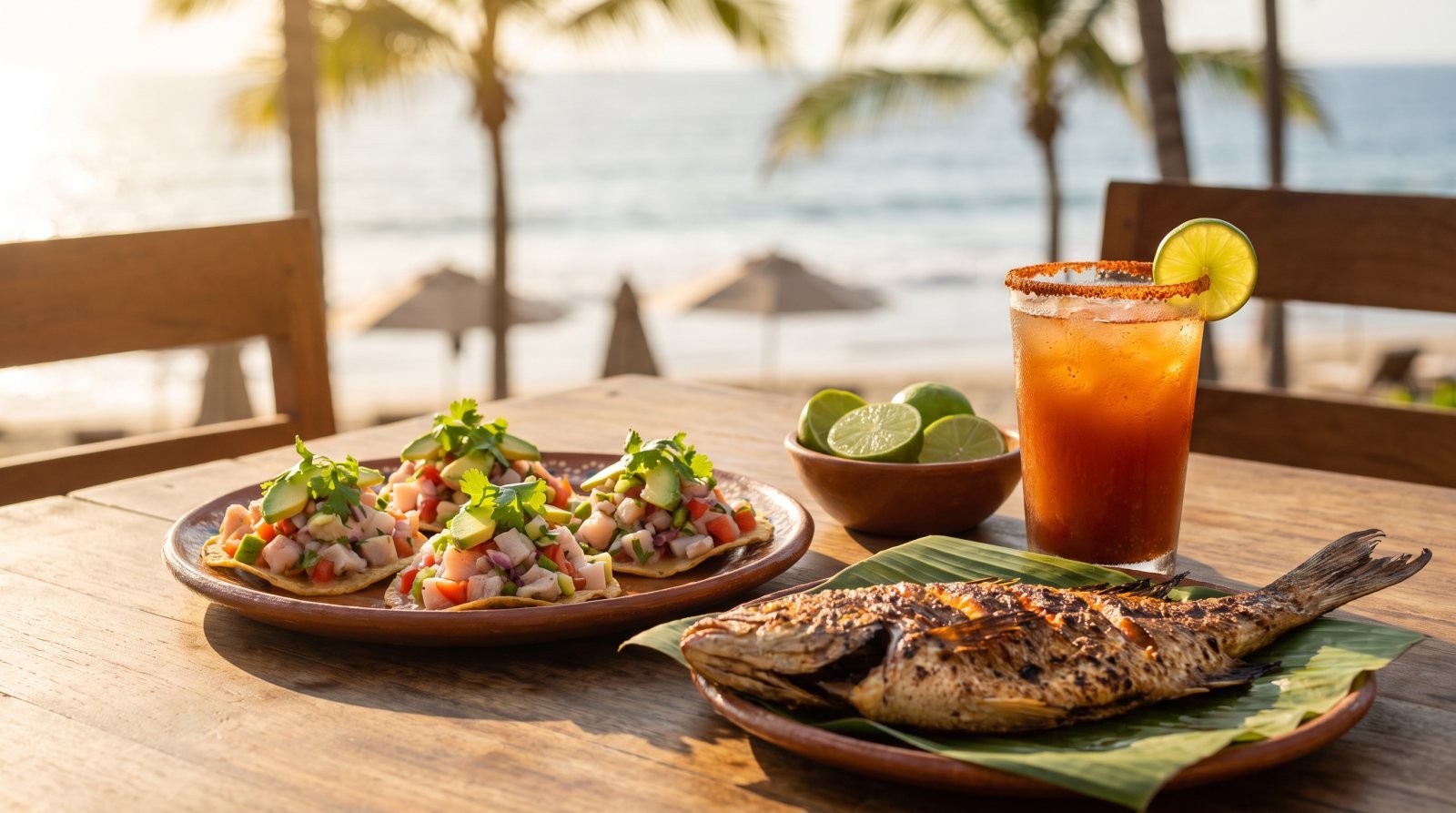
Our standard advice: rent for a year before buying anything. Live through a full August, humidity and rain included, and then decide. The bay is not going anywhere. In the meantime, to get to know the city properly, start with the beaches and with where to eat.
Frequently asked questions
Can a foreigner buy a house in Puerto Vallarta?
Yes. Within the 50-kilometre coastal strip it is done through a bank trust (fideicomiso), where the foreigner is the beneficiary with full rights to use, rent, sell and bequeath. Buying through a Mexican corporation is also possible. Both routes are legal and common; always have the title reviewed by an independent lawyer before signing.
What is the best area to live in Puerto Vallarta?
It depends on whether you want to walk or drive. The Zona Romántica is the most expensive and the most walkable; Versalles and Fluvial offer the best balance of price, food and proximity; El Pitillal is the most affordable; and the north (Nuevo Vallarta, Bucerías, La Cruz) gives more space and beach in exchange for longer commutes.
Can you live in Puerto Vallarta without speaking Spanish?
You can survive, especially in the tourist areas where many people speak English. But paperwork, services, markets and neighbourhood life run in Spanish, and those who learn the language have a very different experience from those who stay inside the expat bubble.
How bad is the rainy season?
From July to September it rains hard, usually in the afternoon or overnight, and humidity stays high all day. It rarely rains non-stop: the storms are intense and short. What weighs most is not the rain but the constant humidity, which affects clothes, furniture and food.
Should you rent before buying?
Almost always yes. A year of renting lets you experience the areas in both high and low season, live through a full humid summer and understand real costs before committing capital to a transaction with closing and exit costs.