The Best Beaches in Puerto Vallarta (and Which One Fits the Day You Want)
From Los Muertos to Yelapa, through the rocky southern coves and the long northern sand: an honest guide to Banderas Bay beaches, with boat times, seasons and the warnings nobody gives you.
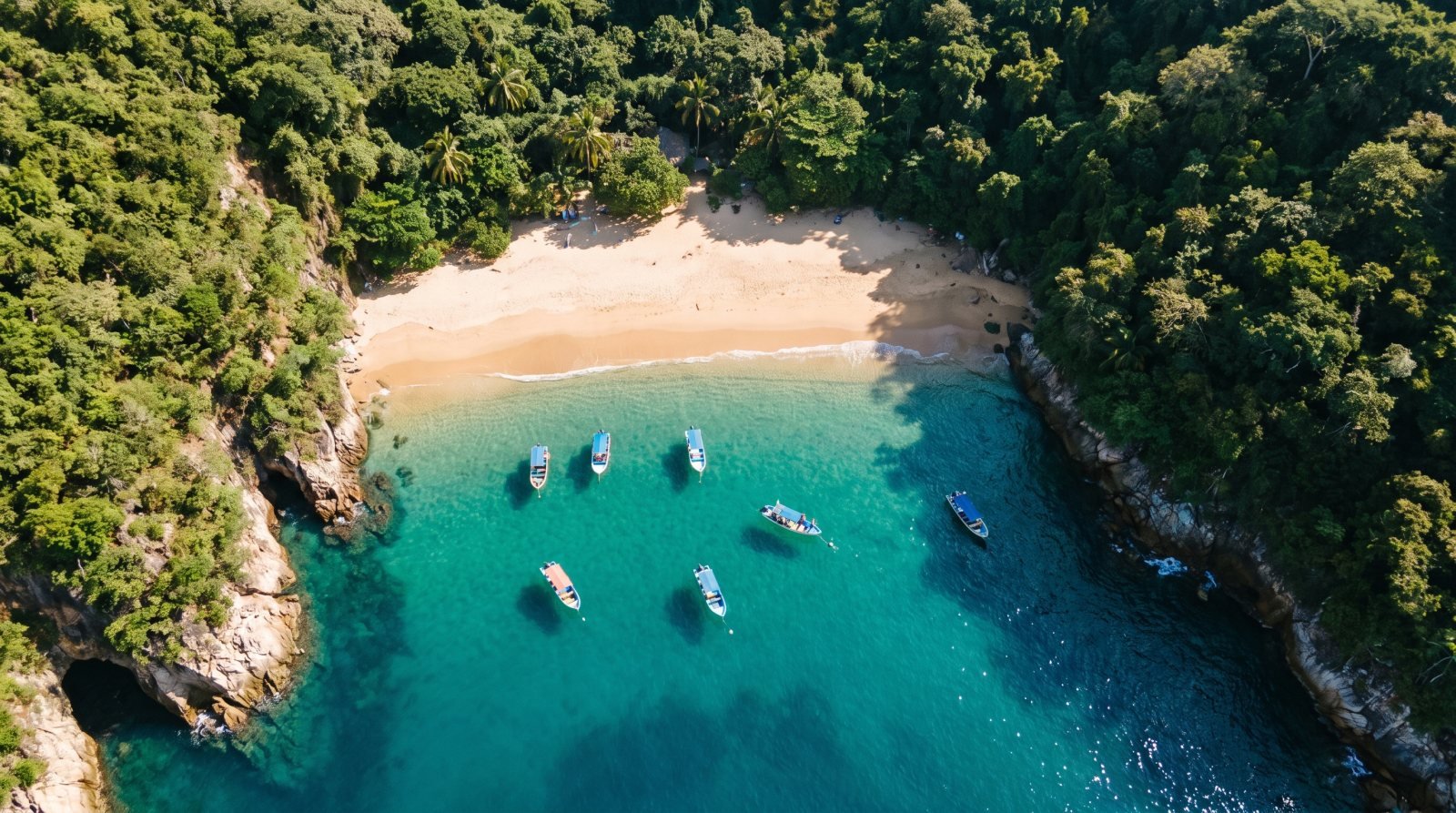
Banderas Bay holds nearly 100 kilometres of coastline, and not all of it is good for the same thing. Some beaches are for swimming, some are for drinking a beer with your feet in the sand, some are for catching your first wave, and the best ones can only be reached by boat. This is our honest guide, south to north, to the Puerto Vallarta beaches that are actually worth the trip.
First, understand the bay
Puerto Vallarta sits on a huge west-facing bay with the Sierra Madre dropping straight into the ocean. That geography explains nearly everything you need to know before picking a beach:
- The south is rock and cliff. From Conchas Chinas down to Yelapa, the beaches are small coves wedged between boulders. Clearer water, better snorkelling, less sand.
- The centre is the city. Los Muertos, Camarones and the hotel zone: easy access, restaurants at the sand's edge, gentle surf, plenty of people.
- The north is flat and long. Nuevo Vallarta, Bucerías, Destiladeras: kilometres of continuous sand, perfect for walking, and where wind and swell start to be worth a board.
If you only have three days, the simple rule is: one day in town, one day by boat to the deep south, one day up north. That gives you the real bay. For the wider regional picture before you build an itinerary, the guides at Visita Vallarta break down zones, transport and seasons in more depth than fits here.
The city beaches: Zona Romántica and the Malecón
Playa Los Muertos
This is Puerto Vallarta's flagship beach and the liveliest of them all. It sits in the Zona Romántica, starts at the sail-shaped pier and runs about 800 metres south. Loungers, waiters crossing the sand with trays, vendors selling fish on a stick, music and — yes — a serious crowd in high season.
The water is usually calm and it is one of the few beaches where you can swim without overthinking it. The sand is golden and medium-grained; the bottom drops off quickly near the pier, so if you are with small children stay on the south end. Arrive early for a shaded palapa: by eleven, everything good is taken.
If you can only visit one beach and you want the full Vallarta experience — food, people, sunset and the pier — this is it. Nobody leaves disappointed, only with sand in their shoes.
Playa Camarones
Just north of the Malecón, this is the less touristy version of Los Muertos. Wider, fewer services, and with the huge advantage of a clean sunset view with no buildings in the way. Locals run here at dawn and play pickup football at seven in the evening. A good call if you want a beach without feeling like you are inside an advertisement.
The hotel zone and Playa de Oro
From the Malecón toward the airport the coast becomes an unbroken row of large hotels and marinas. The sand is there and it is public — in Mexico every beach is — but walking access is awkward and the atmosphere is pure resort. Perfectly decent if you are staying there, not worth a special trip if you are not.
The rocky south: Conchas Chinas to Mismaloya
Conchas Chinas
Five minutes by taxi from the Zona Romántica and it feels like another country. Conchas Chinas is a string of coves separated by rock formations that turn into natural pools at low tide. It is the best snorkelling in town without getting on a boat, and the favourite of anyone who wants to read a book without being offered jewellery every ten minutes.
Two honest warnings: there are almost no services (bring water) and the public access points sit between private houses, marked by discreet signs that are easy to walk past. Worth the hunt.
Las Gemelas and Garza Blanca
Two small beaches off the highway south, both with marked public access and staircases down from the road. Clear water, fine sand and a southward view that photographs itself. They fill up on long weekends; midweek you can have them nearly to yourself.
Mismaloya
The cove where The Night of the Iguana was filmed in 1963 — the movie that put Vallarta on the map — is still one of the bay's postcards: a horseshoe of sand with a river mouth on one side and jungle closing the back. There are seafood restaurants on the sand, boats running snorkel trips to Los Arcos, and the easy mood of a village that got used to visitors.
Facing Mismaloya are Los Arcos, granite islets pierced with tunnels and protected as a natural area. It is the best snorkelling in the south without leaving the bay, and nearly every Puerto Vallarta boat tour makes it the first morning stop, before the wind picks the water up.
Boat access only: Boca de Tomatlán and the deep south
This is where the bay gets serious. Past Boca de Tomatlán the road ends and the only way in is by water or on foot. Shared water taxis leave the small pier at Boca roughly every half hour, charge per person, and are the cheap way to do it — no need for a private tour unless you want one.
Playa Colomitos
Billed as the smallest beach in Mexico, Colomitos is a thirty-metre crescent of sand tucked between jungle walls. Twenty minutes by boat, or an hour's hike from Boca de Tomatlán along a trail of roots, rocks and a couple of sections that turn slick in the rains. The water is advertising-blue and there are fish the moment you put your face in. Get there before ten or share it with forty other people.
Las Ánimas and Quimixto
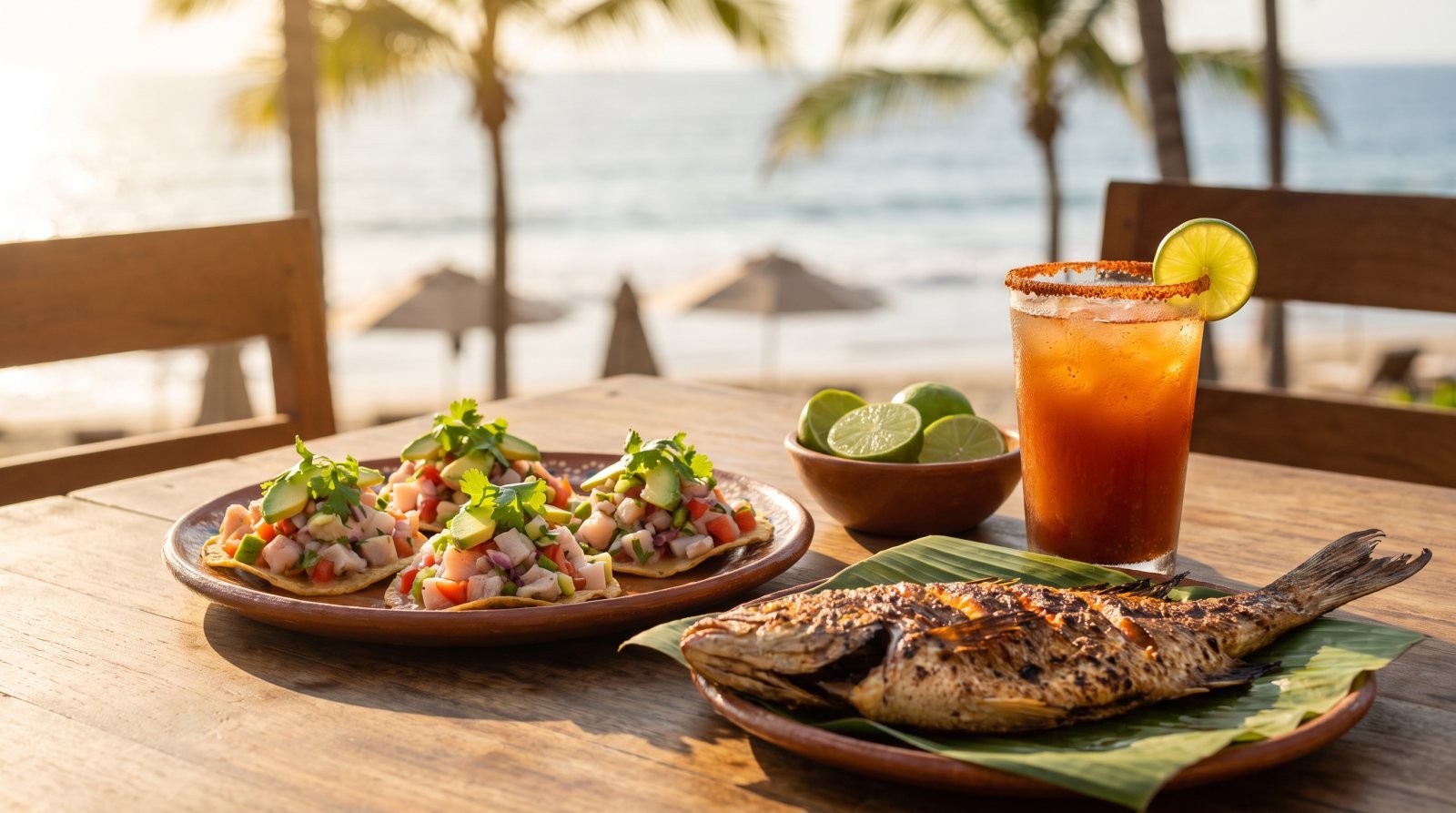
Both are road-free beach villages with fish restaurants on the sand and enough room to spend a whole day. Las Ánimas is bigger and busier, with banana boats, parasailing and waiters; Quimixto is quieter and has a waterfall half an hour's walk away (or on horseback, if you let yourself be talked into it). If you want the classic Mexican beach day with ceviche included, this is the place.
Majahuitas and Yelapa
Majahuitas is the quietest: a few houses, no engine noise beyond the arriving boats, water you can see straight through. Yelapa, at the end of the run, is something else — a real village with stone streets, donkeys, a waterfall inside the town and a community that has been living at its own pace for decades. You can go for the day, but Yelapa is much better if you sleep there and see the place after the last tourist boat leaves.
The last return boat from the deep south leaves mid-afternoon and does not negotiate. Ask the exact time when you arrive, not when you are finishing your second beer. Being stranded in Yelapa is not the worst thing that can happen to you, but it should be your decision.
The north: Nuevo Vallarta, Bucerías and Punta de Mita
Nuevo Vallarta and Flamingos
Cross the Ameca river and you are in Nayarit, where the landscape changes completely: the mountains step back and the coast becomes a straight beach several kilometres long, with gentle surf, firm sand and a line of resorts behind it. It is the best beach in the bay for a long walk, for running and for families with small kids. It is also where most of the beachfront rental stock sits; if you want to stay on this side, it is worth checking vacation rentals in Nuevo Vallarta before committing to a hotel.
Bucerías and La Cruz de Huanacaxtle
Bucerías is a long, sprawling town with one of the widest beaches in the bay and a tradition of grilled pescado zarandeado stands that justifies the drive on its own. La Cruz, slightly further north, has a marina, a Sunday market and a small but genuinely good food scene. Both make excellent bases if you want to be near the water without the pace of the city.
Destiladeras, Punta de Mita and El Anclote
Destiladeras is white sand, turquoise water and very little construction: the most brochure-like beach on the north side. Punta de Mita closes the bay and is the launch point for the Marietas Islands, the protected archipelago famous for the Hidden Beach inside a crater. Note: access to that beach is permit-limited, with a daily cap and set hours; any serious operator will tell you so upfront, and if someone promises guaranteed entry in high season, be suspicious.
Where to surf
Inside the bay the swell is friendly, which is exactly what you want while learning. The real waves are north: Sayulita is the classic beginner point thanks to its sandy bottom and long, slow wave; San Pancho is heavier and no place for a first lesson; El Anclote at Punta de Mita is soft and forgiving; and La Lancha is the favourite of anyone already standing up on their own.
If you have never been on a board, the difference between enjoying it and swallowing water all morning is having somebody push you into the wave at the right moment. Take a surf lesson in Puerto Vallarta and Sayulita on day one rather than renting a board and figuring it out yourself.
When to come: water, swell and crowds
| Season | The water | The mood |
|---|---|---|
| December – April | Cooler water, calm sea, clear skies nearly every day | High season: prices up, beaches full, humpback whales in the bay |
| May – June | Warm water, flat sea, excellent visibility | Best value of the year, in our opinion |
| July – October | Hot water, afternoon rain, choppier sea | Everything green, few people, high humidity; watch storm advisories |
| November | Weather settles, sea goes calm | The secret month: still green, no rain, no crowds |
Eight things worth knowing before you get in the water
- Every beach is public. No hotel owns the sand. They can charge you for their loungers; they cannot stop you walking the beach.
- Respect the flags. A red flag means something: Pacific rip currents are real and invisible from shore.
- If a current takes you, do not fight it head-on. Swim parallel to shore until you are out of it, then come back at an angle.
- The no-see-ums are real. They come out at dawn and dusk, especially near estuaries and on wet sand. Repellent or long trousers.
- The tide changes everything. On the rocky southern beaches, high tide swallows the sand. Check a tide table before planning the day.
- Carry cash. Shared boats, beach parking lots and many sand-level restaurants do not take cards.
- Reef-safe sunscreen. Required in protected areas like Los Arcos and the Marietas, and a good idea everywhere else.
- Water shoes for the south. Conchas Chinas, Colomitos and almost any rocky cove are far better with soles on.
Getting between beaches
City buses run the coast from downtown south (look for "Boca" or "Mismaloya") and north (Bucerías, La Cruz, Punta de Mita) for very little money, every few minutes. It is the most local and cheapest way to do it. Ride-hailing works well in town and less so into Nayarit. For the deep south the only option is a boat from Boca de Tomatlán or the Los Muertos pier.
And if you are building a fuller itinerary than beaches alone — tours, restaurants, what to do when it rains — our things to do in Puerto Vallarta and where to eat sections carry the rest of the story.
Frequently asked questions
What is the best beach in Puerto Vallarta for swimming?
Playa Los Muertos in the Zona Romántica, for its calm water and the number of services. If you want fewer people, the Nuevo Vallarta beach has equally gentle surf and kilometres of sand. Avoid swimming in the rocky southern coves at high tide.
How do you get to Colomitos and Yelapa?
Both are boat- or foot-access only. Shared water taxis leave the Boca de Tomatlán pier all morning, and there are also departures from the Los Muertos pier. Colomitos can be hiked in about an hour from Boca. Confirm the last return boat time as soon as you arrive.
Are Puerto Vallarta beaches public?
Yes. In Mexico the entire federal maritime-terrestrial zone is public, including the beaches in front of hotels and private developments. Hotels can charge for their loungers and services, but they cannot stop you walking the sand or block the marked public access paths.
What is the best time of year for the beach in Vallarta?
November and May offer the best balance: calm sea, little rain and fewer people than the winter peak. December to April has unbeatable weather but is high season. July to October brings afternoon rain and high humidity, though the landscape is at its greenest.
Can you surf in Puerto Vallarta?
Inside the bay the swell is small and mostly good for learning. Consistent waves are north, at Sayulita, San Pancho, El Anclote and La Lancha, all within about ninety minutes of downtown. Sayulita and El Anclote are the most beginner-friendly.
Is there sargassum on Puerto Vallarta beaches?
The sargassum problem affects the Mexican Caribbean, not the Pacific. It does not occur in Banderas Bay. What can show up after heavy rain is organic debris washed down by the rivers, which clears within a few days.